Greetings
Beyond Accurate Diagnosis, Toward Better Treatment
Shaping the Future of Radiology in Korea and Around the World
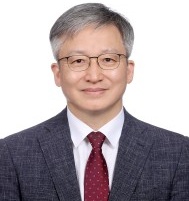
Welcome to the website of the Department of Radiology at Seoul National University College of Medicine and Seoul National University Hospital.
Radiology is a core discipline of modern medicine, playing a pivotal role in determining the diagnosis and treatment pathways of our patients. Precise imaging diagnosis is the starting point for selecting the most appropriate treatment, while image-guided interventions continue to expand the scope of direct therapeutic care. Advances in artificial intelligence, quantitative imaging, molecular imaging, radiogenomics, robotics, and advanced image-guided therapies are further broadening the role and potential of radiologists.
The Department of Radiology at Seoul National University has long led the advancement of radiology in Korea by embracing and driving these changes. Today, specialists across all subspecialties work in close collaboration at Seoul National University Hospital, Seoul National University Bundang Hospital, Seoul Metropolitan Government–Seoul National University Boramae Medical Center, and the Gangnam Center. As of 2026, our department comprises 160 faculty members (74 at Seoul National University Hospital, 49 at Bundang Hospital, 21 at Boramae Medical Center, and 16 at the Gangnam Center), 9 clinical fellows (7 at Seoul National University Hospital and 2 at Bundang Hospital), and 39 residents (29 at Seoul National University Hospital and 10 at Bundang Hospital). Together, they are dedicated to patient care, research, and education. In 2025 alone, Seoul National University Hospital performed approximately 1.6 million imaging examinations.
Our strength, however, lies not simply in the volume of examinations we perform. It lies in the exceptional expertise of our subspecialists, extensive experience in caring for critically ill patients, and close multidisciplinary collaboration with colleagues throughout the hospital. Through these strengths, we strive to provide every patient with the most accurate diagnosis and the most appropriate treatment. We will continue working to ensure that radiology moves beyond a supportive role and becomes a leading specialty in clinical decision-making throughout the entire continuum of diagnosis and treatment.
Our research connects important questions arising from clinical practice with new knowledge and technologies. Over the past five years, our faculty have published 1,158 papers in international journals. As of 2025, we are conducting 39 national research and development projects and 15 clinical trials. We collaborate with leading researchers around the world in areas ranging from early disease detection and prognostic prediction to imaging biomarkers, artificial intelligence and imaging informatics, advanced imaging-device development, translational research, and image-guided therapy. Beyond the number of publications, we pursue research that transforms clinical practice and improves the lives of patients.
Education is our most important responsibility for the future. Each year, we provide radiology education and clinical clerkships for approximately 130 medical students and supervise 16 graduate students in our department, as well as 39 residents and 9 clinical fellows. We are committed to providing systematic training and meaningful opportunities so that young radiologists can develop strong clinical and research capabilities and confidently explore new frontiers. Beyond imparting knowledge, we aim to nurture professionals who ask thoughtful questions, collaborate with others, and uphold a deep sense of responsibility toward patients and colleagues.
These achievements have been possible because every member of our department—radiologists, radiologic technologists, nurses, researchers, medical physics and imaging informatics specialists, and administrative staff—has contributed their knowledge and experience. We will continue to foster a culture that respects each person’s expertise, encourages open communication, and promotes collaboration toward shared goals.
As Chair of the Department, I will work to ensure that our department remains a place of outstanding achievement and an academic community in which every member can realize their potential and grow together. I am committed to building an open department where faculty, clinical fellows, residents, and alumni freely share their experiences and ideas, and where collaboration across generations and subspecialties develops naturally.
Building on the proud tradition of the Department of Radiolㅊogy at Seoul National University, we will embrace challenge and innovation to create a department that earns the greatest trust from patients and helps lead the future of radiology around the world. We sincerely welcome your interest and active participation.
Thank you.
July 2026
Jae Young Lee